ASPL

Reliable Carbon Reporting Through VCS

Who We Are

The Verified Carbon Standard (VCS) is a globally accepted methodology for verifying and validating reductions in greenhouse gas (GHG) emissions. It establishes rigorous rules for estimating, monitoring, and reporting emission reductions from a variety of environmental projects, including renewable energy installations, reforestation efforts, and trash management. By ensuring that these projects meet severe standards, VCS helps to verify that the stated reductions are genuine and measurable.

Organizations seeking VCS certification go through a rigorous verification procedure involving independent third-party auditors such as ASPL who examine compliance with the standards. The VCS maintains a public registry for tracking and trading verified carbon credits, ensuring that stakeholders can trust the credits’ legitimacy. This framework contributes to global climate action by establishing a credible system for offsetting emissions and improving environmental sustainability.

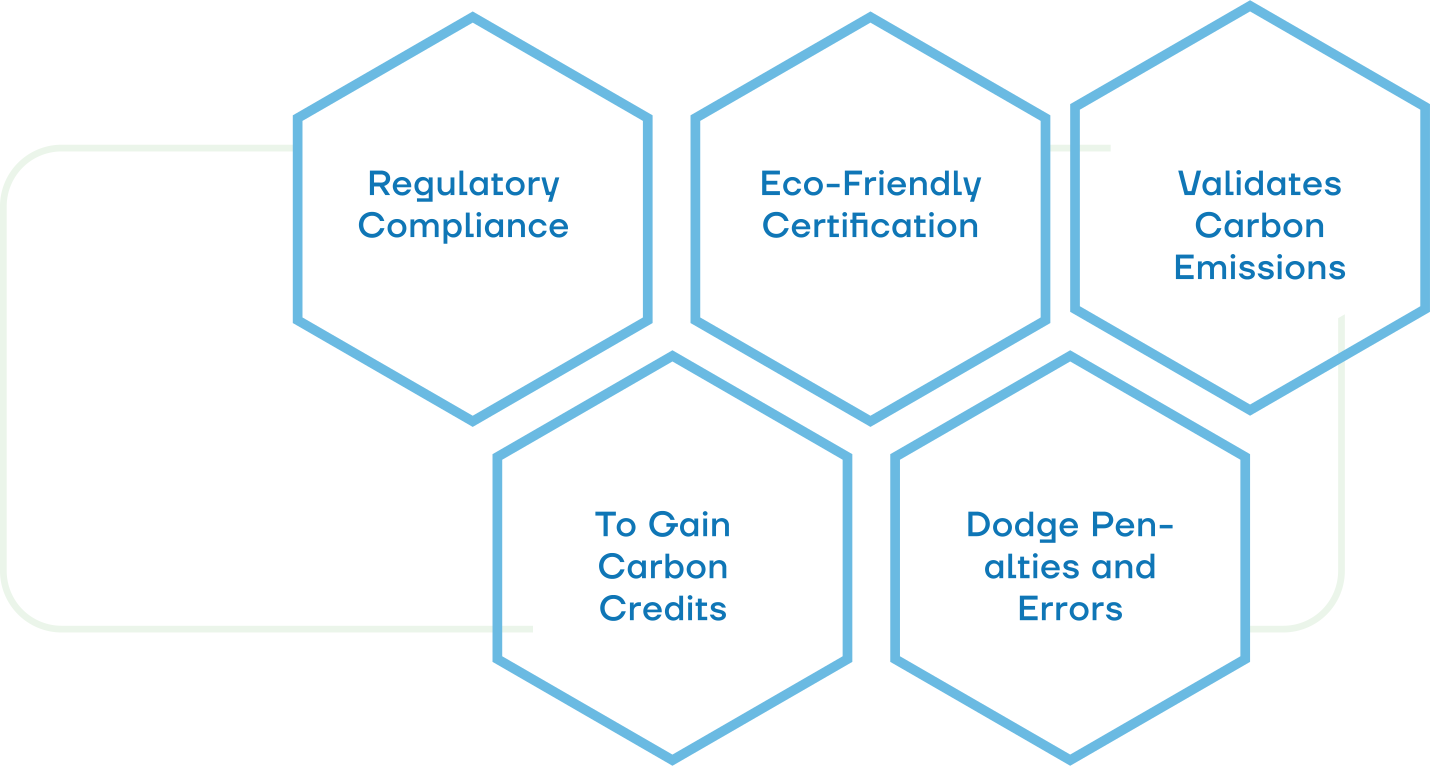
Why Adopt the Verified Carbon Standard?

Why Adopt the Verified Carbon Standard

Boost Your Carbon Credibility

Get VCS Certified Today

Boost Your Carbon Credibility

Why Choose ASPL for VCS?

Rigorous Verification
Customizes Certification Plans
Streamlines Process
Streamlines Process
Expertise in Carbon Standards
Latest VCS Standards
Commitment to Sustainability

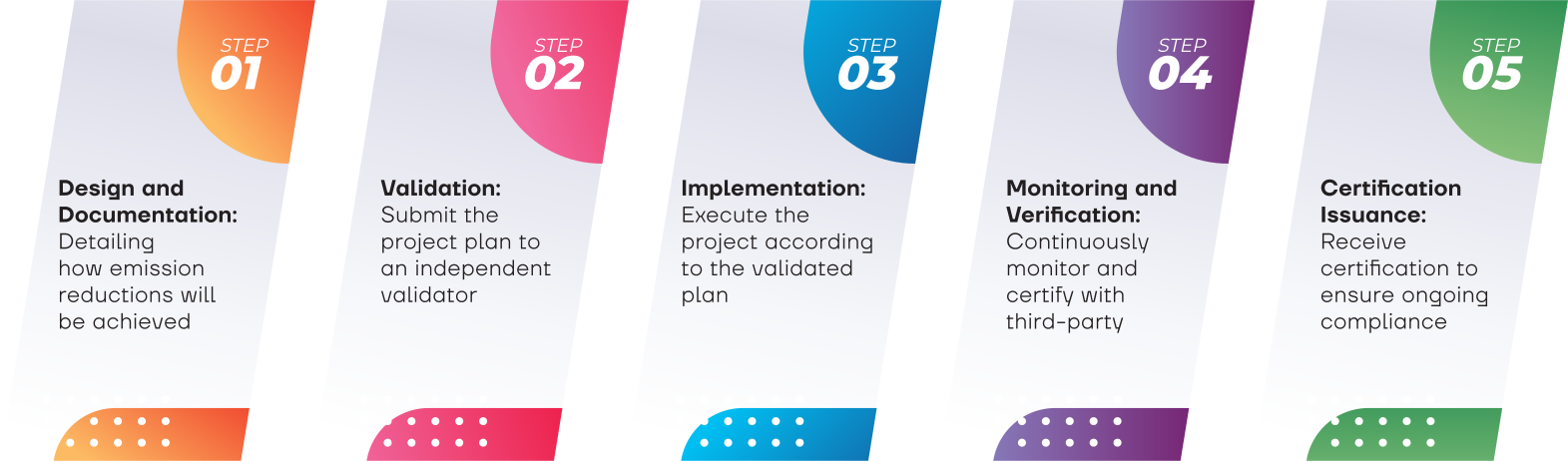
Step-by-Step Process of Verified Carbon Standard

Step-by-Step Process of Verified Carbon Standard

Frequently Asked Questions (FAQs)

The VCS Standard specifies the precise requirements for project development, as well as the procedures for validating, monitoring, and verifying projects, GHG emission reductions, and carbon dioxide removals.

The Verified Carbon Standard, or VCS, is a global certification framework that verifies and validates greenhouse gas emission reductions. It assures that carbon offset initiatives achieve actual, measurable, and additional reductions, hence increasing the legitimacy and market value of carbon credits.

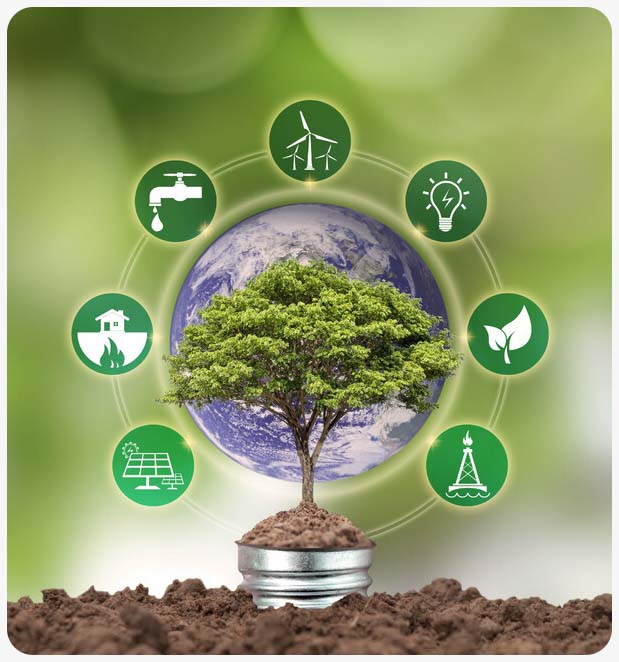
There are two types of carbon credits: Voluntary and Compliance. Voluntary credits are issued for programs that reduce greenhouse gasses voluntarily above statutory criteria; frequently used by businesses and individuals to offset their carbon impact. Compliance is developed under regulatory frameworks and utilized by enterprises to satisfy obligatory emissions reduction objectives established by governments or international agreements.

VCS specializes in a broad spectrum of project categories, including renewable energy, forestry, and agriculture. Gold Standard, on the other hand, prioritizes projects that promote long-term development and have a beneficial social impact.

Looking for More Information? Seek Advice From Our Team

Our Experts Will Resolve All Your Queries

Get in Touch Today

Get in touch

Schedule Your Appointment

Share your requirements and our team will get back to you.

Phone: +91-9303854400 / +91-9644316795
Email: info@asplcert.com