ASPL

Trusted Greenhouse Gas Validation & Verification

Ensuring Climate Accuracy & Reliability

Who We Are

Greenhouse Gas Verification: A Key Step in Climate Accountability

ISO 14065: GHG emissions validation and verification can be pursued by an organization for various purposes, including contributing to their annual report, communicating with customers, meeting regulatory or investor reporting obligations, or publicly disclosing their emission reduction efforts. 

In most cases, those disclosures must be verified by an independent third party such as ASPL. Furthermore, organizations seek third-party validation to confirm their current GHG emissions inventory is consistent with inventory and reporting standards, procedures, and guidelines. The ASPL considers the changing emissions factors, calculations, and disclosure rules and ensures that your firm accurately reports its GHG emissions data.

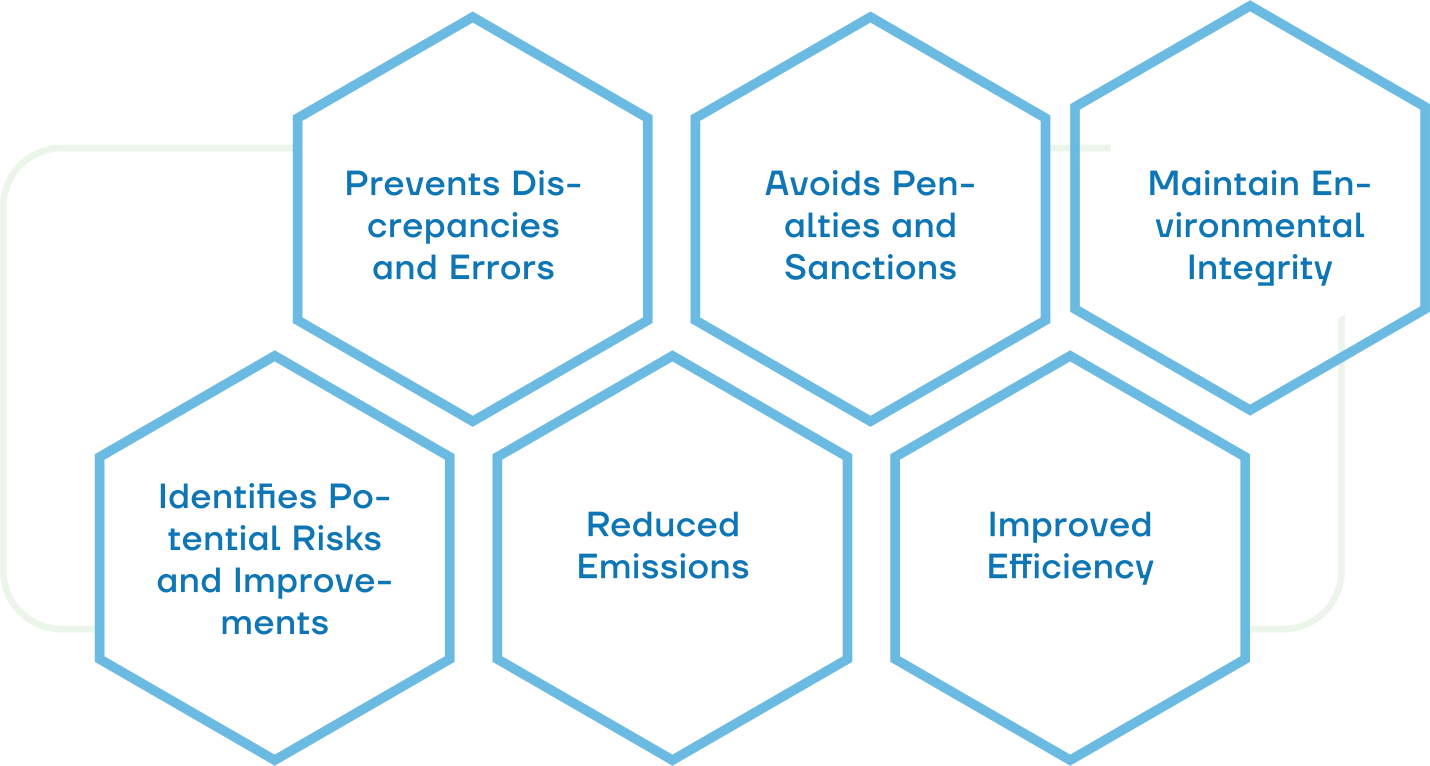
Why Greenhouse Gases Matter?

Why Greenhouse Gases Matter

Take the First Step Towards Climate Accountability

Verify Your Emissions Now

Take the First Step Towards Climate Accountability

Why ASPL for GreenHouse Gases Validation?

Experienced and Trusted Team
Accreditation and Certification
CustomizedInspections
Customized Inspections
Customised Solutions
Excellent Customer Support
Comply with Global Regulation

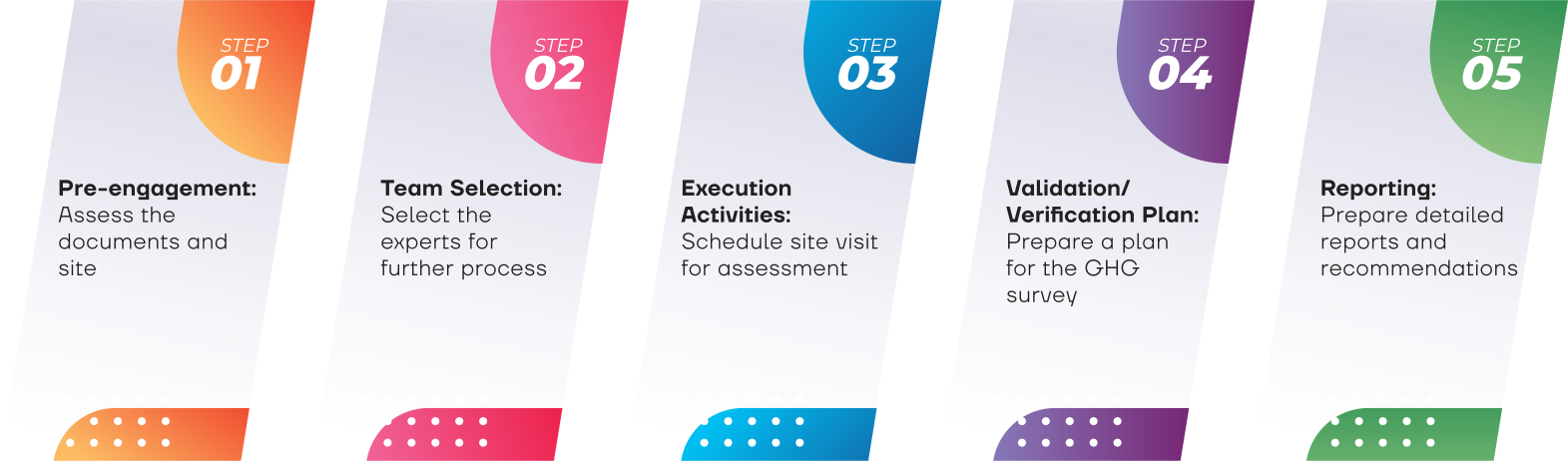
Step-by-Step Process of GHG Validation & Verification

Step-by-Step Process _1

Frequently Asked Questions (FAQs)

Validation of greenhouse gases (GHG) guarantees that methods and procedures for estimating emissions are scientifically sound and likely to produce accurate results before implementation. Verification, on the other hand, occurs after data collection to ensure that the reported emissions statistics are accurate and meet applicable criteria.

The GHG verification process determines whether the organisation, project, or product follow the government compliance of greenhouse gas emissions or not. It is essential for sustainable environmental development.

ISO 14064 defines the quantification and reporting of greenhouse gas emissions while ISO 14065 defines the validation and verification process of these emissions.

The GHG inventory covers the seven direct greenhouse gases that can be hazardous to the environment. These include Carbon dioxide (CO2), Methane (CH4), Nitrous oxide (N2O), Hydrofluorocarbons (HFCs), Perfluorocarbons (PFCs), Sulphur hexafluoride (SF6), and Nitrogen trifluoride (NF3).


ISO 14065 standard establishes a framework for program owners, regulators, and accreditation authorities to assess and recognize validation and verification bodies’ competence.

ISO 14000 is a series of international standards for environmental management. The series includes ISO-14064 for the quantification and reporting of greenhouse gas emissions and  ISO-14065 for the validation and verification process.

Need More Information? No Worries

Our Experts Will Resolve All Your Queries

Contact Us

Get in touch

Schedule Your Appointment

Share your requirements and our team will get back to you.

Phone: +91-9303854400 / +91-9644316795
Email: info@asplcert.com